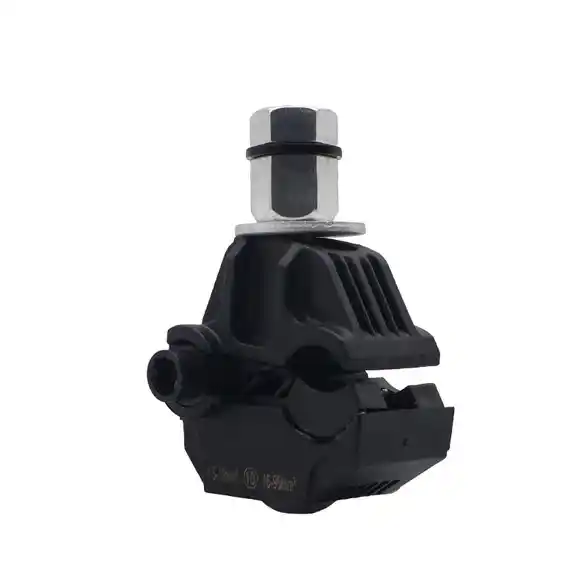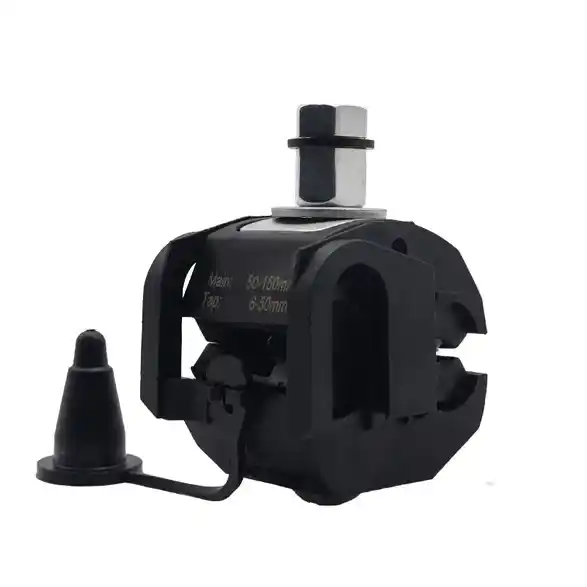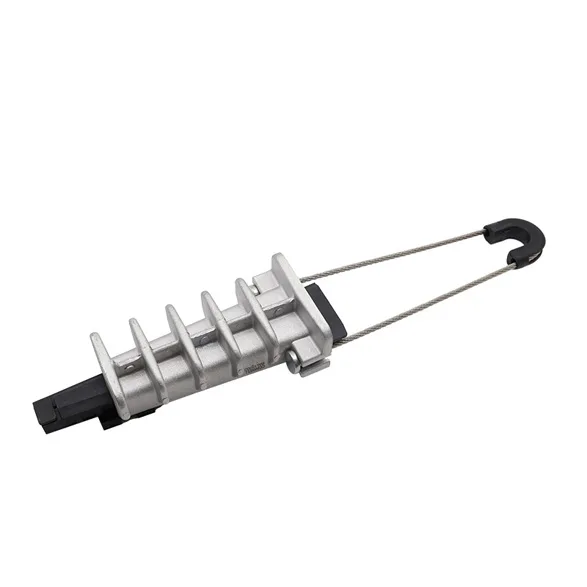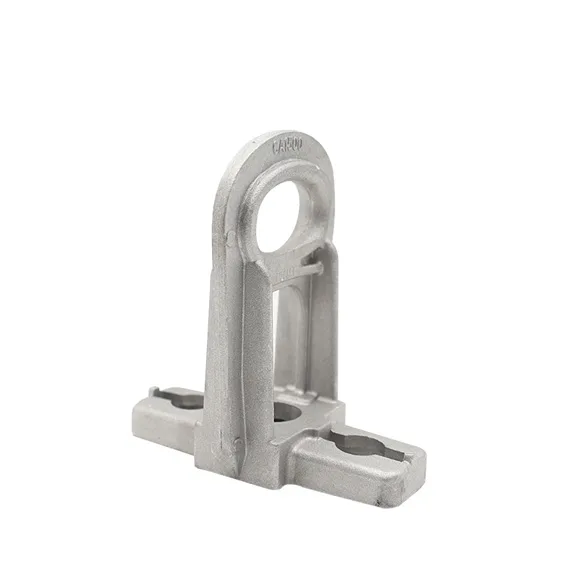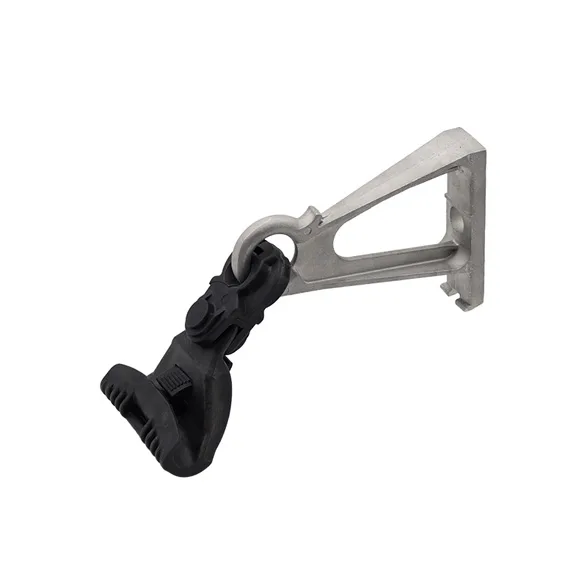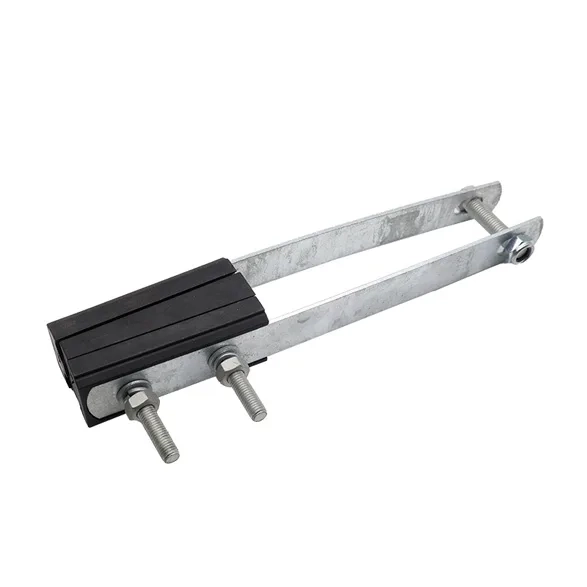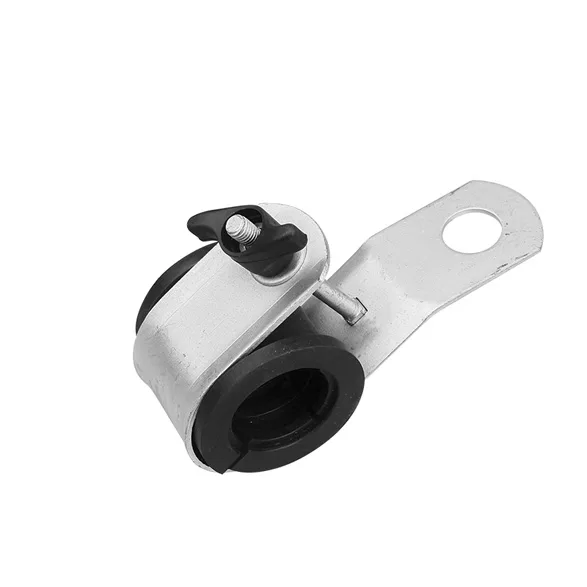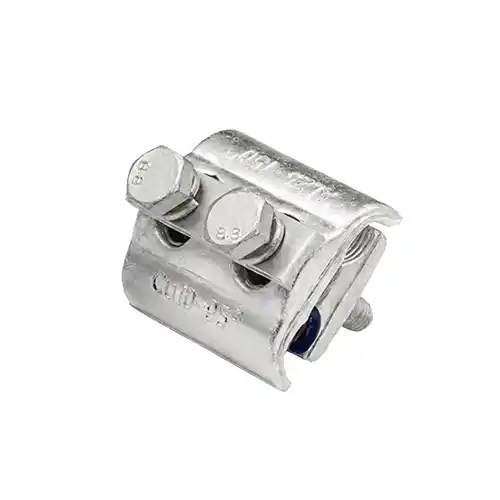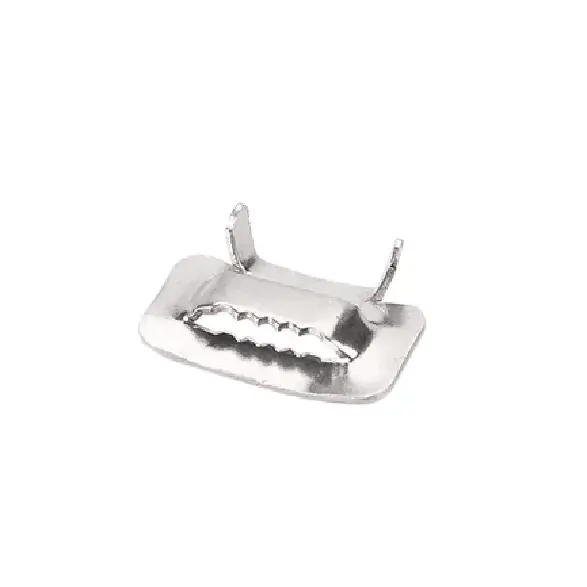
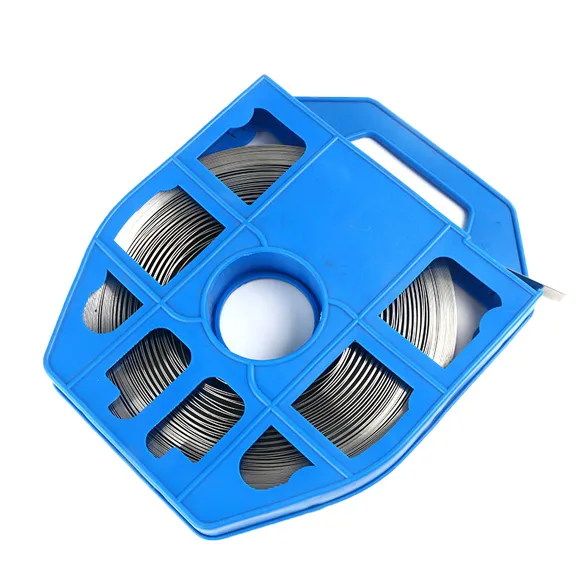
Heavy-Duty Stainless Steel Straps (Banding Systems) are premier, utility-grade fastening solutions engineered to permanently anchor pole line hardware—such as anchoring brackets, suspension clamps, and distribution boxes—onto concrete, wooden, or steel poles. Fabricated from premium-grade stainless steel alloys, these high-tensile metallic bands offer a universal, structural-grade strapping framework for low-voltage Aerial Bundled Conductor (A.B.C.) networks, delivering immense physical retention without slippage or dynamic structural deflection under severe span tension.
ContactSpecifications
| Part No. | Item No. | Width | Thickness | Packing M/Roll |
| mm | mm | |||
| B012101 | SSS-1 | 20 | 0.4 | 50 |
| B012102 | SSS-2 | 20 | 0.7 | 50 |
Features
High-Tensile Structural Retention
Engineered to sustain extreme tensile loads and heavy line deadweights. The structural band parameters guarantee minimal elongation and high yield strength, ensuring pole-mounted anchoring brackets remain perfectly perpendicular and rigid across long grid spans.
Safe De-Burred Smooth Edges
Precision-machined with completely rounded and deburred side edges. This specialty finishing eradicated micro-cuts and sharp burrs, actively protecting the linemen’s hands during tensioning and eliminating the risk of puncturing adjacent insulated cable sheaths.
Multi-Grade Corrosive Immunity
Supplied in elite chemical configurations including AISI 201, 304, and 316 stainless steel. This heavy-duty metallurgical profile delivers total resistance against UV degradation, industrial smoke tracking, and aggressive coastal salt-spray weathering.
Universal Pole Line Adaptability
Serves as a flexible, hardware-independent binding matrix. Available in standard industrial widths, it smoothly conforms to any octagonal, square, or round pole profile, maximizing cross-project material utility.
Implementation Instructions
Step 1: Band Cutting & Buckle Threading
Feed the raw stainless steel strap directly from its dispenser plastic tote, cut the desired length based on the pole circumference, and thread one end straight through a matching heavy-duty steel buckle, folding the tail underneath to lock it.
Step 2: Bracket Routing & Tool Tensioning
Wrap the strap around the pole body and through the designated slot channels of your anchoring bracket. Mount a standard mechanical banding tool onto the band tail, and crank the tool handle to apply heavy, uniform hydraulic or mechanical tension.
Step 3: Latch Crimping & Tail Cut
Once optimal structural tension is achieved, lock the band into the buckle using the tool’s cutter lever. Hammer down the integrated buckle ears flat against the band surface to finalize a permanent, non-reversible network fastening node.
Step 4: Metallic Conductive Clearance & Live-Line Safety
Because stainless steel straps are fully conductive metallic components, linesmen must maintain strict clearance protocols when implementing strapping sequences in close proximity to uninsulated or live conductors. Fully insulated tensioning tools, protective safety gloves, and proper industrial eyewear are mandatory to prevent accidental short circuits or arc tracking during field grid retrofitting.
Industrial Engineering & Standards
High-end metallic anchoring bands thoroughly batch-tested and field-qualified to excel across severe environmental weathering and continuous dynamic tension:
- Advanced Packaging Systems: Distributed in high-impact plastic carrying dispensers or heavy-duty cardboard boxes, protecting the steel band coil from field tangling, dirt contamination, or edge deformation during field transportation.
- Full Utility Standard Compliance: Fully designed, mechanically stress-tested, and certified to meet or exceed the performance benchmarks of international grid codes such as EN 50483-3 and standard European hardware criteria.
- Thermal Shock Resilience: Maintains absolute dimensional stability, zero embrittlement, and uncompromised tensile load retention across a wide thermal window, resisting both extreme Arctic freeze and intense tropical surface temperature spikes.