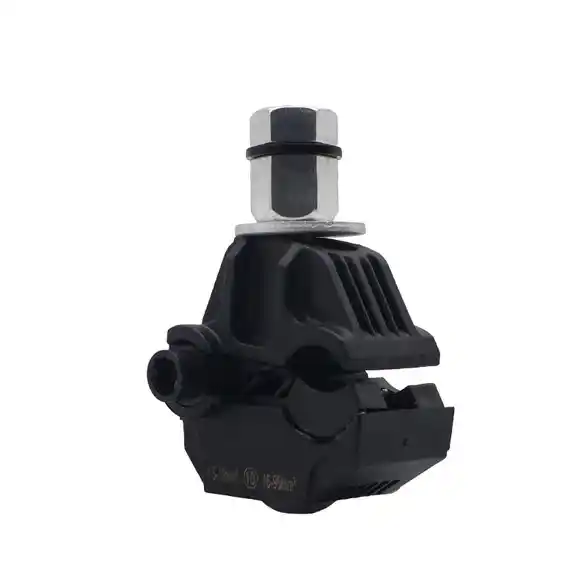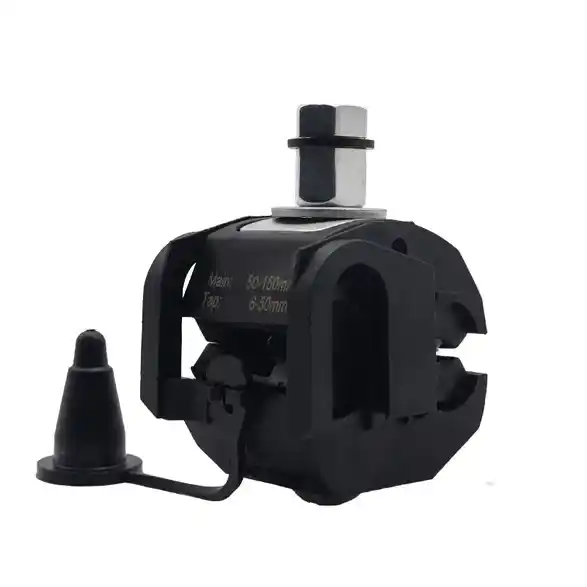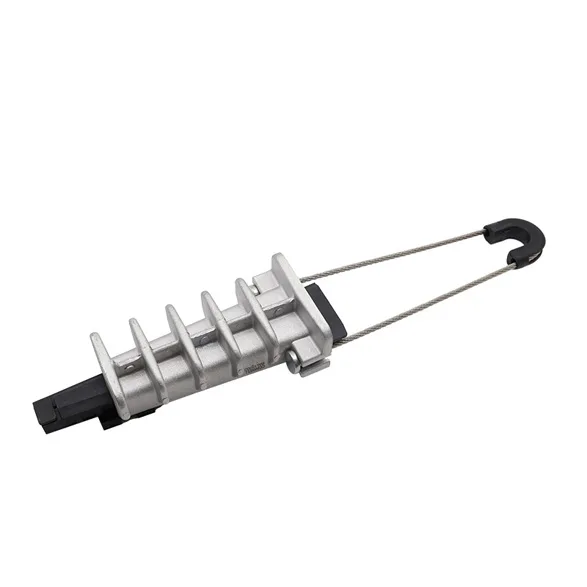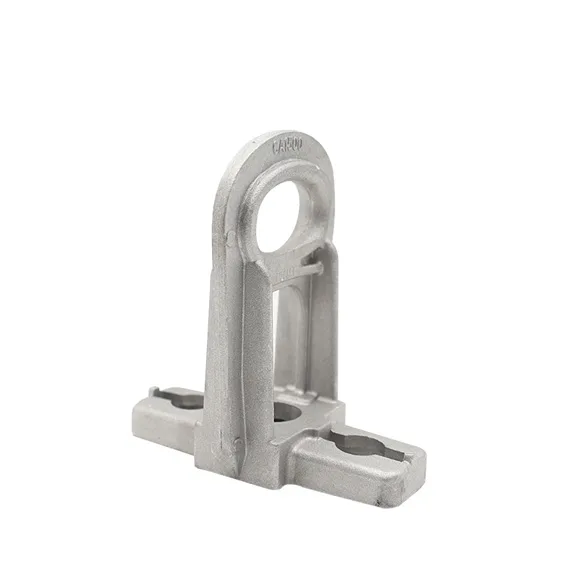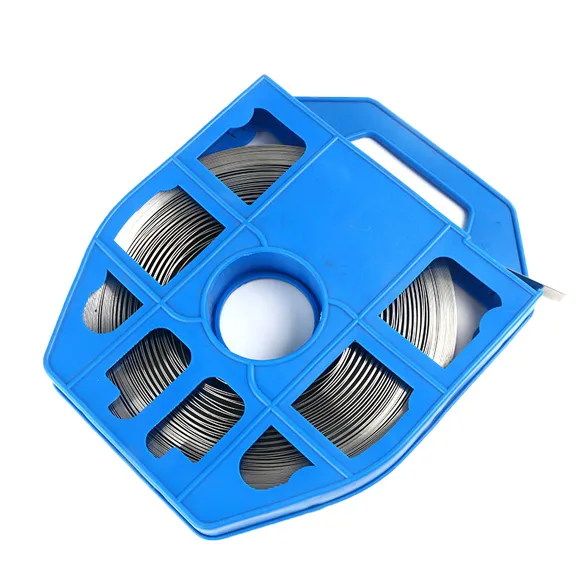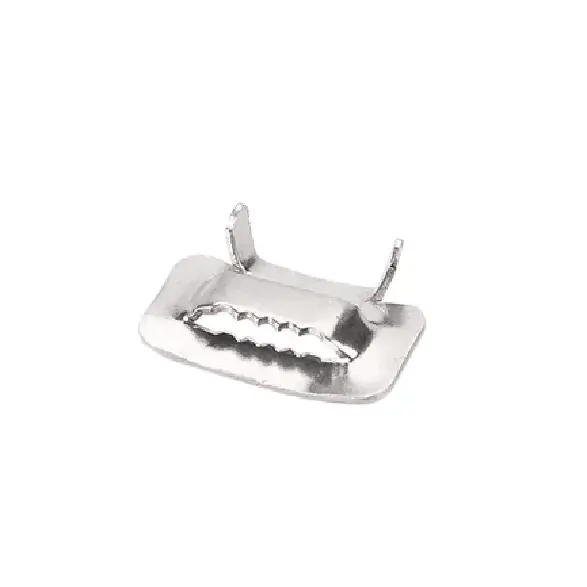
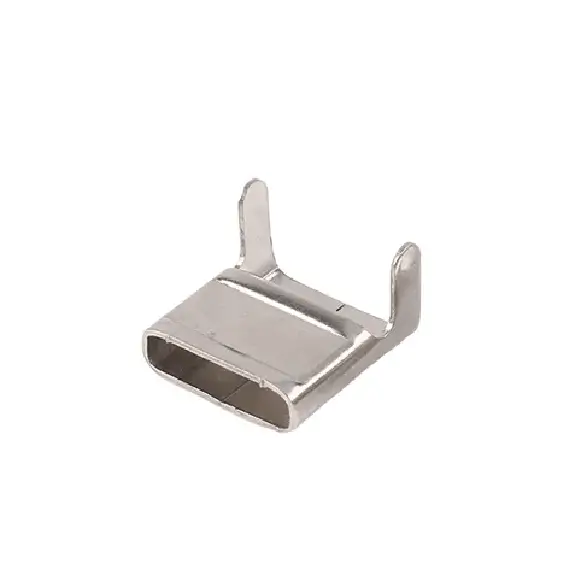
NC L-Type Series Stainless Steel Buckles are high-efficiency, streamlined fastening locks explicitly engineered to secure and clamp medium-duty steel banding straps onto utility poles or distribution steel work. Crafted from premium austenitic stainless steel with a specialized flat-folding L-shape wing design, these resilient buckles serve as a highly secure anchoring clip for low-voltage Aerial Bundled Conductor (A.B.C.) networks. They allow for rapid, flush-mounted installations that hold pole line accessories firmly without loosening under standard environmental network stresses.
ContactSpecifications
| Part No. | Item No. | Width | Thickness |
| mm | mm | ||
| B012301 | NC 8*0.7 | 8 | 0.7 |
| B012302 | NC 10*0.7 | 10 | 0.7 |
| B012303 | NC 12*0.7 | 12.7 | 0.7 |
| B012304 | NC 16*0.7 | 16 | 0.7 |
| B012305 | NC 19*0.8 | 19 | 0.8 |
Features
Ultra-Flat Low-Profile L-Design
Features an engineered L-type structure that lays perfectly flush against the pole or cable bracket surface once closed. This ultra-flat footprint eliminates protruding metal edges, successfully preventing adjacent hanging wires from catching or snagging.
High-Efficiency Double Wing-Fold
Designed with a highly ergonomic double-wing mechanism. After hydraulic or mechanical steel band tensioning, the wings are folded inward and flattened to create a rugged, non-reversible geometric lock that resists high dynamic vibrations.
Premium Multi-Grade Metallurgy
Manufactured in high-durability alloy grades, including AISI 201, 304, and 316 stainless steel. This robust structural metallurgy delivers long-term resistance to aggressive industrial smog tracking, high humidity, and coastal salt spray.
Optimized Dimensional Sizing
Stamped to flawless industrial tolerances matching standard global strapping criteria. Available in universal widths (typically 10mm, 12.7mm, 16mm, and 19mm or 3/4″), they fit seamlessly over corresponding bands without binding during overhead line setups.
Implementation Instructions
Step 1: Band Pre-Threading
Thread the raw end of the matching stainless steel strap straight through the central slot of the NC L-type buckle. Bend approximately 5cm of the strap tail tightly backward underneath the buckle base to create a secure, slip-proof anchoring anchor.
Step 2: Bracket Wrapping & Tensioning
Wrap the main steel band loop around the pole body and through your targeted accessory bracket. Insert the active band tail back through the L-buckle slot, engage a standard mechanical strapping tool, and apply uniform structural tension.
Step 3: Wing-Fold Latching Execution
Lock and cut the tensioned band via the tool’s lever mechanism. Use a standard lineman’s hammer to firmly fold the two integrated buckle wings flat inward directly over the cut band tail, finalizing a permanent, flush mechanical node.
Step 4: Metallic Conductive Clearance & Installation Safety
Because NC L-Type buckles are fully conductive metallic components, linesmen must maintain strict clearance distances when carrying out strapping sequences adjacent to active distribution lines. Fully insulated installation hammers, heavy safety gloves, and approved industrial eyewear are highly mandatory to prevent accidental short circuits or arc tracking during field grid operations.
Industrial Engineering & Standards
High-grade metal locking buckles precision-qualified to withstand continuous dynamic tension and aggressive atmospheric tracking across global power networks:
- Deburred Safety Edge Polishing: Every L-type buckle undergo exhaustive structural tumbling and edge deburring. This ensures completely smooth outer faces, protecting the installer’s hands from severe cuts and safeguarding nearby dielectric cable insulation.
- Strict Utility Standard Compliance: Fully design-verified, stress-tested, and batch-certified to meet or exceed the performance criteria of international grid regulations, including EN 50483-3 and standard European hardware codes.
- Zero Thermal Creep: Maintains perfect dimensional retention and an uncompromised mechanical lock across an expansive thermal scale, completely eliminating metal embrittlement during Arctic freezes or tropical climate fluctuations.