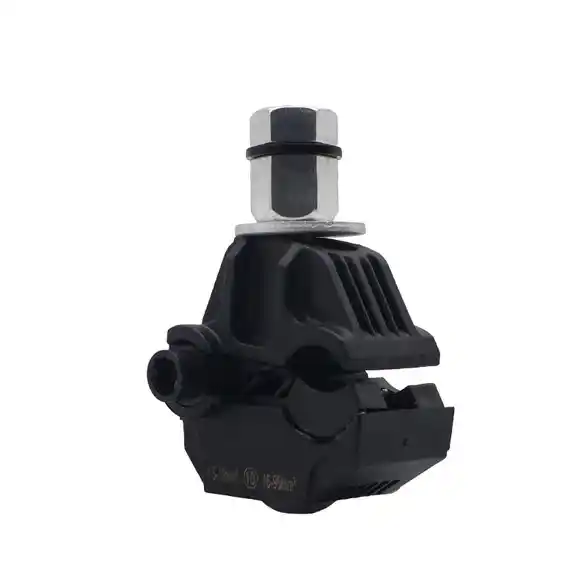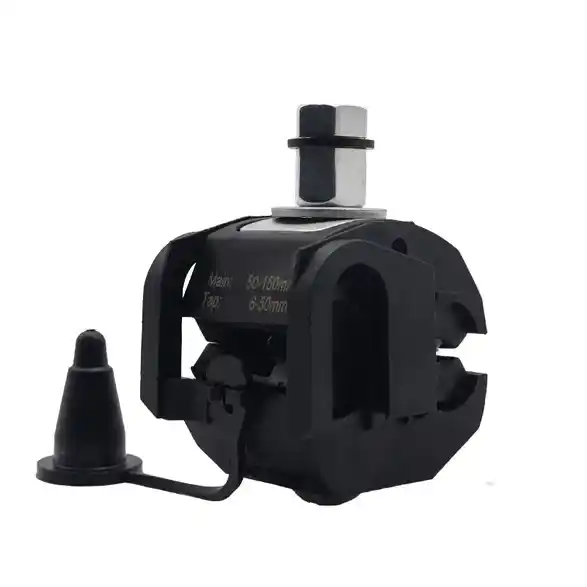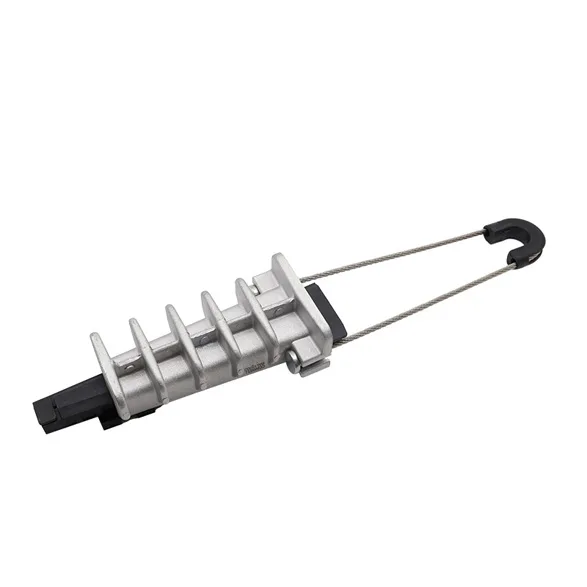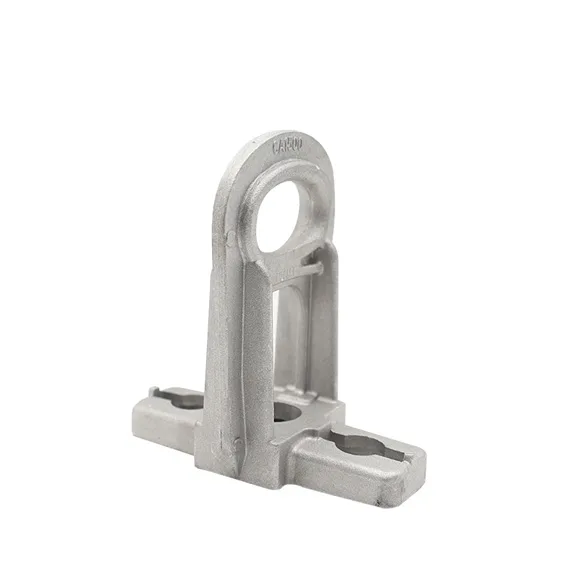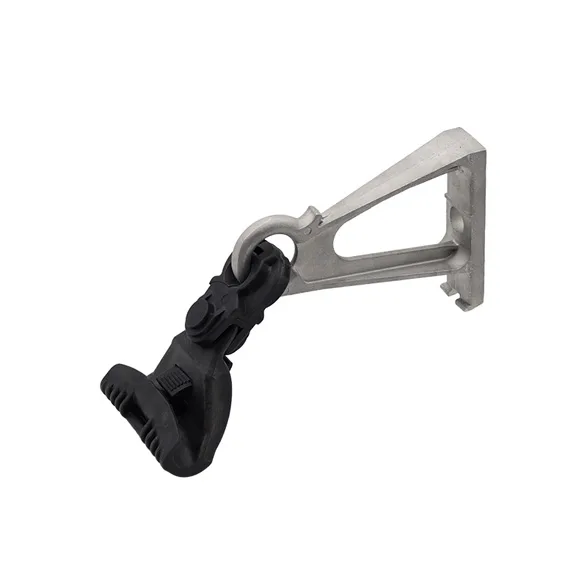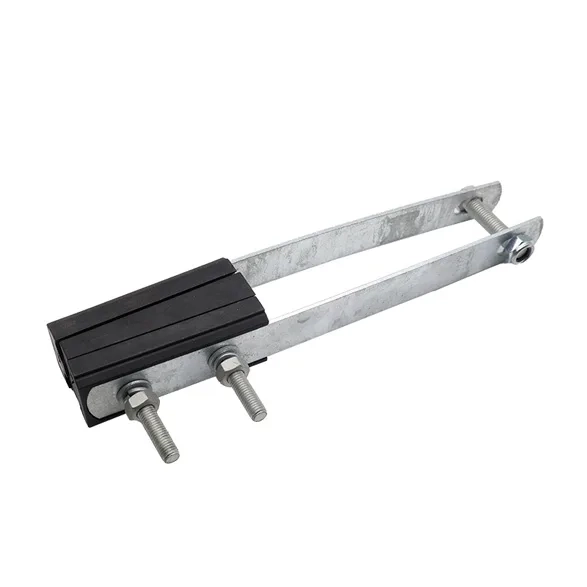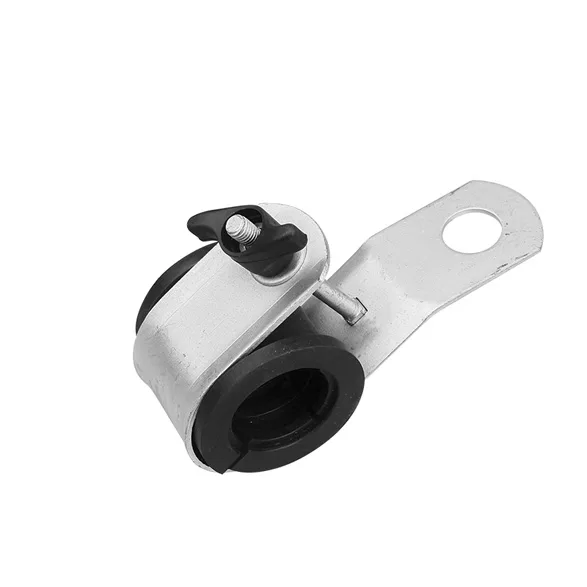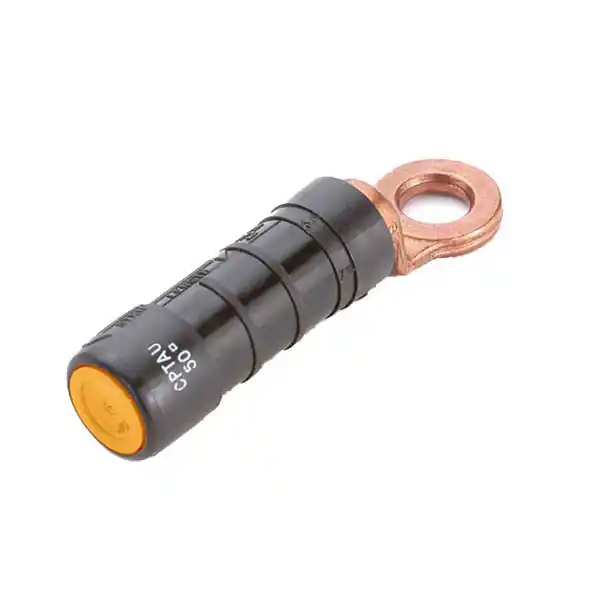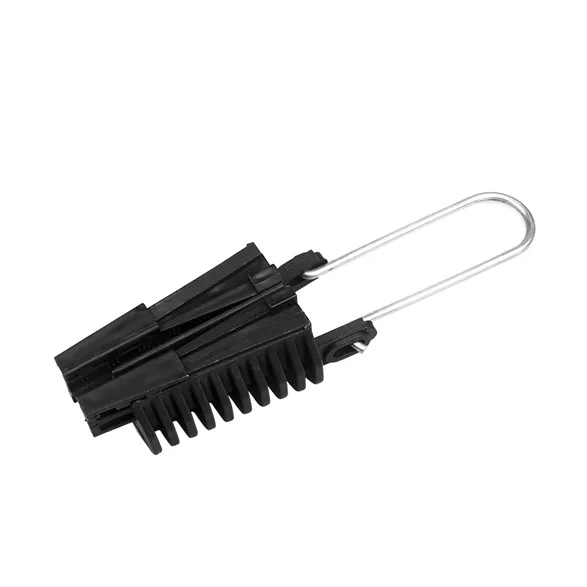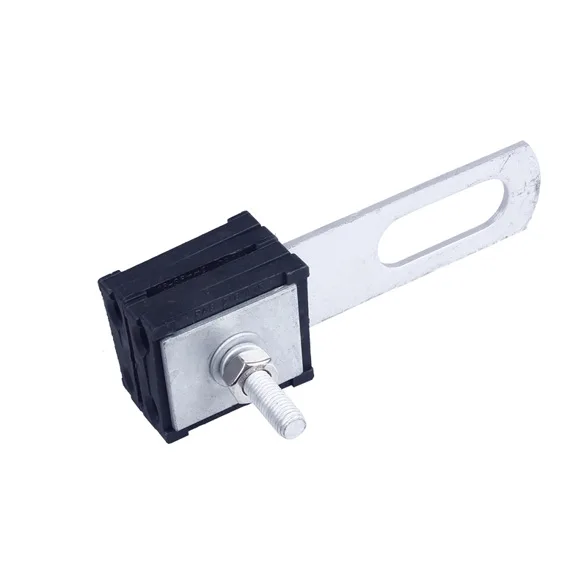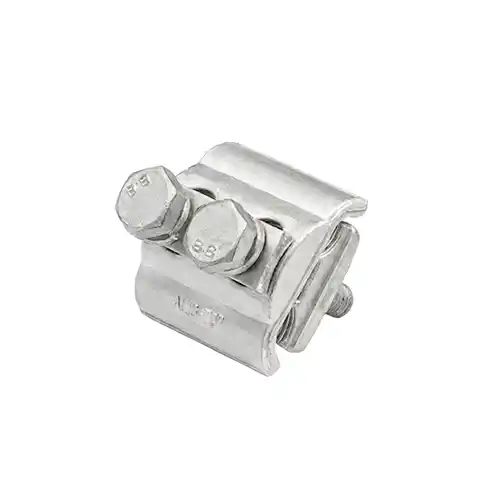
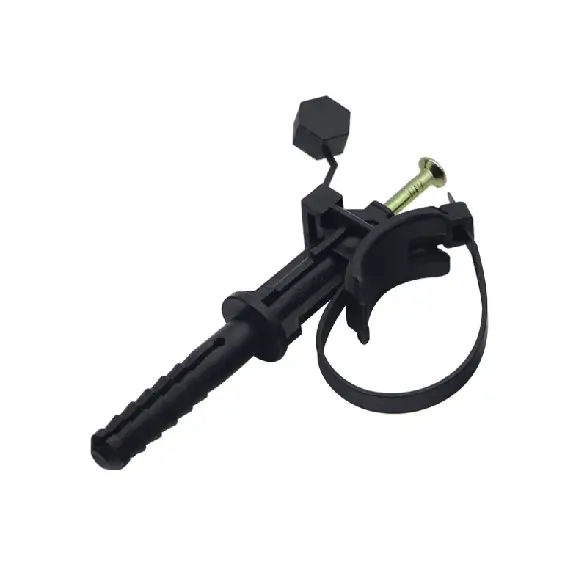
Cable Saddles, widely known in international power distributions as Fixing Nails (Clou de Fixation), are premier utility-grade routing fittings engineered to guide, support, and anchor service lines or low-voltage Aerial Bundled Conductor (A.B.C.) bundles directly onto concrete poles or wall surfaces. Outfitted with an integrated high-tensile steel drive pin, this heavy-duty hardware completely eliminates the need for external steel strapping bands or separate bolts. By simply hammering the fixing nail home, linesmen create an immediate, insulated structural cradle that keeps distribution lines safely routed and spaced away from raw masonry or concrete surfaces.
ContactSpecifications
| Part No. | Item | Cable Size mm² |
Wall Clearance mm |
| B010281 | BRPF1 | 2×16 to 4×35 4×35 to 3×150 + 95N+16 |
10 |
| B010282 | BRPF6 | 60 | |
| B010283 | BRPV1 | 3×25+54.6N+16 to 3×150+95N+16 |
10 |
| B010284 | BRPV6 | 60 |
Features
Integrated Rapid Fixing Nail Action
Features a heavy-gauge, zinc-plated hardened steel drive pin pre-staged inside the plastic sleeve. This single-piece configuration allows linemen to execute lightning-fast overhead anchoring with a standard lineman’s hammer, cutting field installation time in half.
100% Insulated Abrasion Defense
Molded completely from high-dielectric, non-conductive polymers. This zero-metal resting saddle isolates the cable jacket from the hard pole or masonry body, permanently preventing mechanical sheath wear, friction punctures, or tracking current risks.
Broad-Radius Stress Relief Cradle
Designed with an engineered, wide curved seating contour. The extended saddle surface area evenly distributes the weight of the bundled cables, successfully neutralizing concentrated stress points and avoiding dielectric jacket deformation over decades of weathering.
Extreme UV & Weathering Resilience
Chemically dynamic-stabilized with premium carbon-black and UV inhibitors. The rugged structural thermoplastic housing naturally repels heavy solar radiation, industrial smog tracking, and coastal salt-spray weathering without cracking or embrittlement.
Implementation Instructions
Step 1: Position & Strike Alignment
Determine the routing trajectory along the pole or brick wall. Place the rear seat of the fixing nail saddle flush against the surface. Using a utility hammer, drive the integrated steel pin straight into the pre-drilled wall plug or directly into the concrete body until the saddle base is fully seated and locked.
Step 2: Cable Bundle Routing
Route the overhead service cable bundle or ABC line cleanly into the smooth curved channel of the plastic saddle. Align the cable jacket ensuring it sits centered over the cradle, eliminating uneven torque or sharp structural edge stress.
Step 3: Bundle Tie Execution
Thread a heavy-duty, weather-resistant nylon tie or secondary steel loop through the upper clamping slots. Tighten the strap firmly over the top of the bundle to lock the conductors into a permanent, slip-free distribution pathway.
Step 4: Proximity Routing & Live-Line Safe Handling
Because the entire structural outer body of the fixing nail saddle is manufactured from non-conductive, high-dielectric polymer matrices, it is exceptionally safe for installation and maintenance in close proximity to live distribution networks (hot-line handling). However, linesmen must ensure that the heavy steel drive pin is fully hammered into its final recessed position inside the plastic collar before releasing active cables onto the cradle to maintain optimal standard clearance.
Industrial Engineering & Standards
High-grade polymer routing hardware fully batch-tested and field-qualified to maintain clean, uncompromised wire pathways across global grid infrastructures:
- Premium Material Engineering: Built with an advanced glass-fiber reinforced polymer saddle matrix paired with a hot-dip zinc coated steel pin that resists heavy mechanical impact and rust even in harsh coastal zones.
- Full Utility Code Compliance: Thoroughly qualified and certified according to the demanding pull-out resistance, vertical load slip, and environmental aging benchmarks of international grid regulations like EN 50483-3.
- Zero Metallic Corrosion Path: While the fixing nail pin is structural metal, it remains fully encapsulated by the high-dielectric plastic housing, ensuring complete electrical isolation between the wall mounting point and the live cables.